Aylesbury Estate Phase 2B
Aylesbury Estate Phase 2B is a major milestone in the long-term regeneration of one of London's largest post-war housing estates.
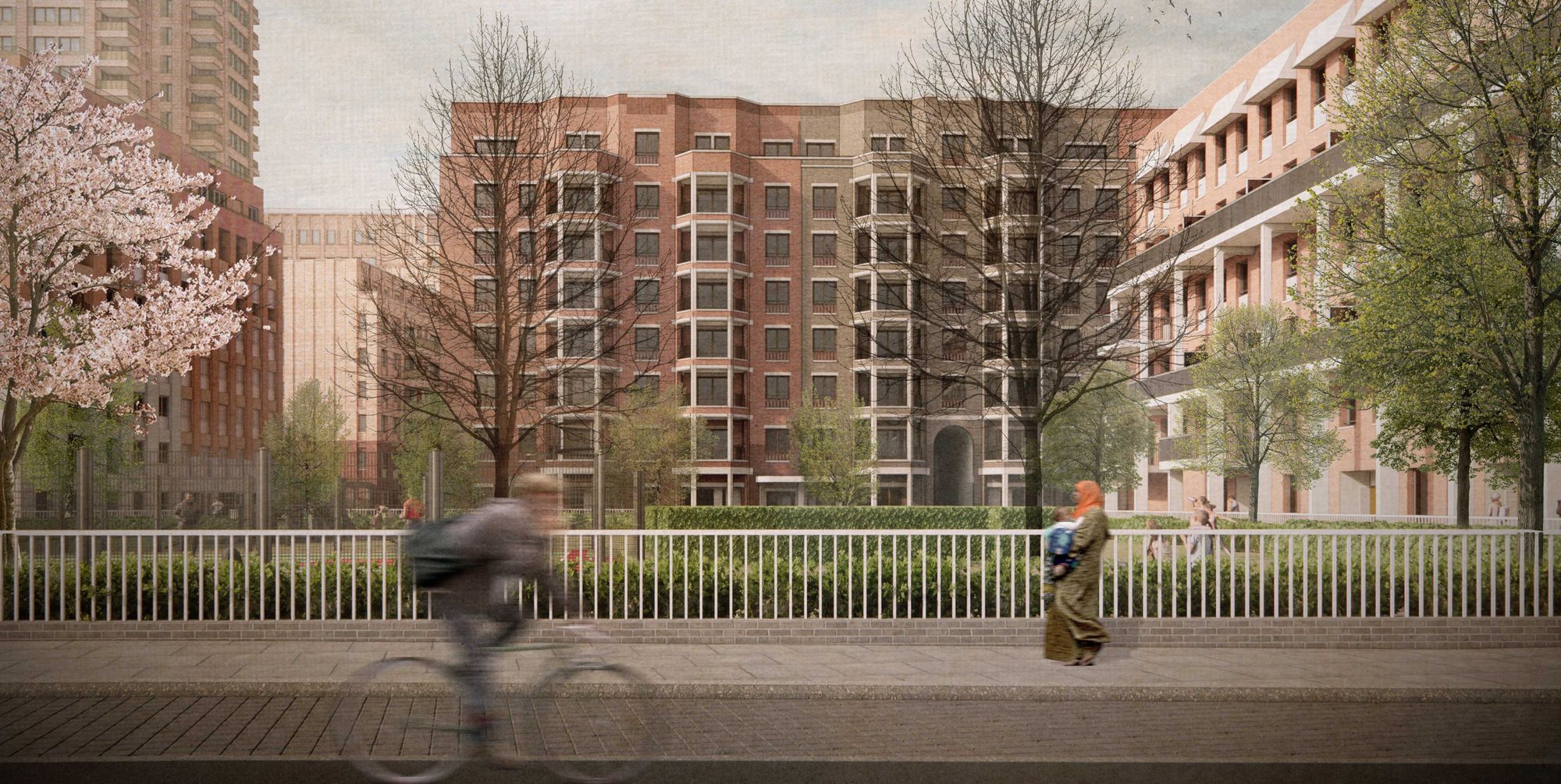
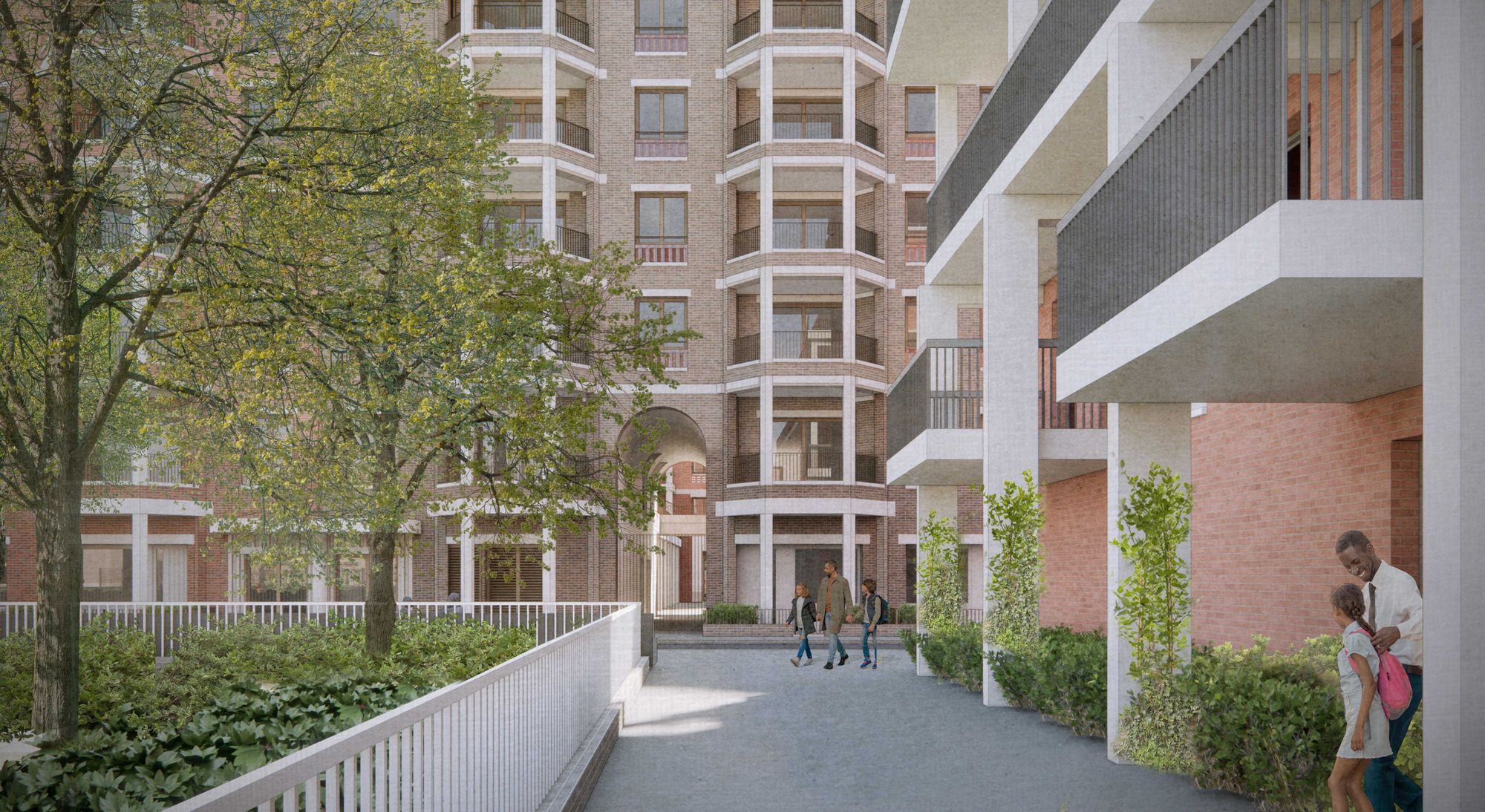
A New Neighbourhood for the Aylesbury Estate
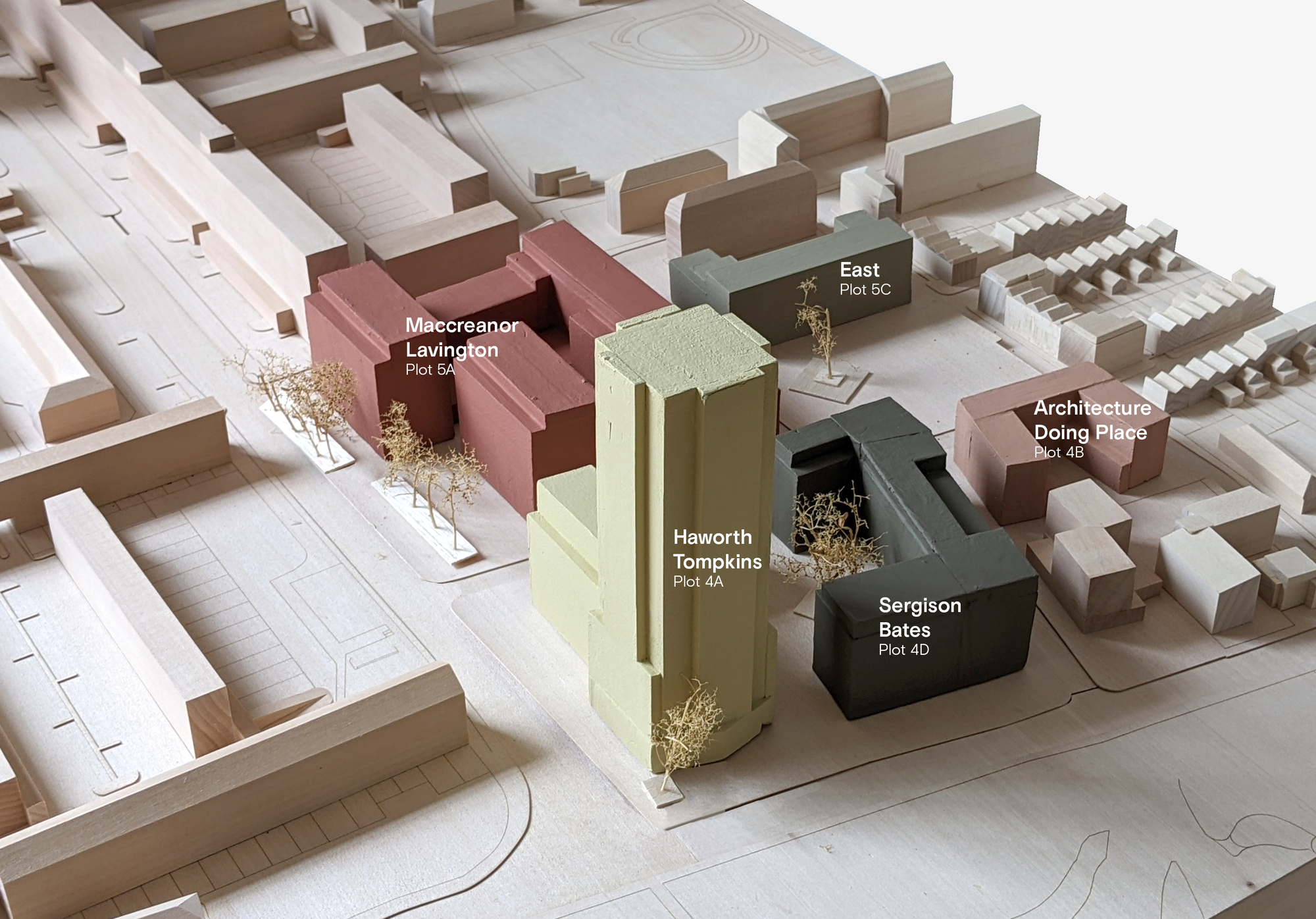
Led by Maccreanor Lavington as masterplanner, lead architect and urban designer for Notting Hill Genesis and Southwark Council, the project brings together five architectural practices to deliver a cohesive new neighbourhood shaped by a shared vision and a commitment to design quality, social value and community-led regeneration.
The proposal will provide 640 new homes across five buildings, alongside new public spaces, community amenities and improved connections to the surrounding neighbourhood. At its heart is a strong commitment to genuinely affordable housing, with 50.4% affordable housing by habitable room, including 173 social rent homes and 89 shared ownership homes. The scheme has been carefully developed to address local housing needs while supporting the long-term renewal of the Aylesbury Estate.
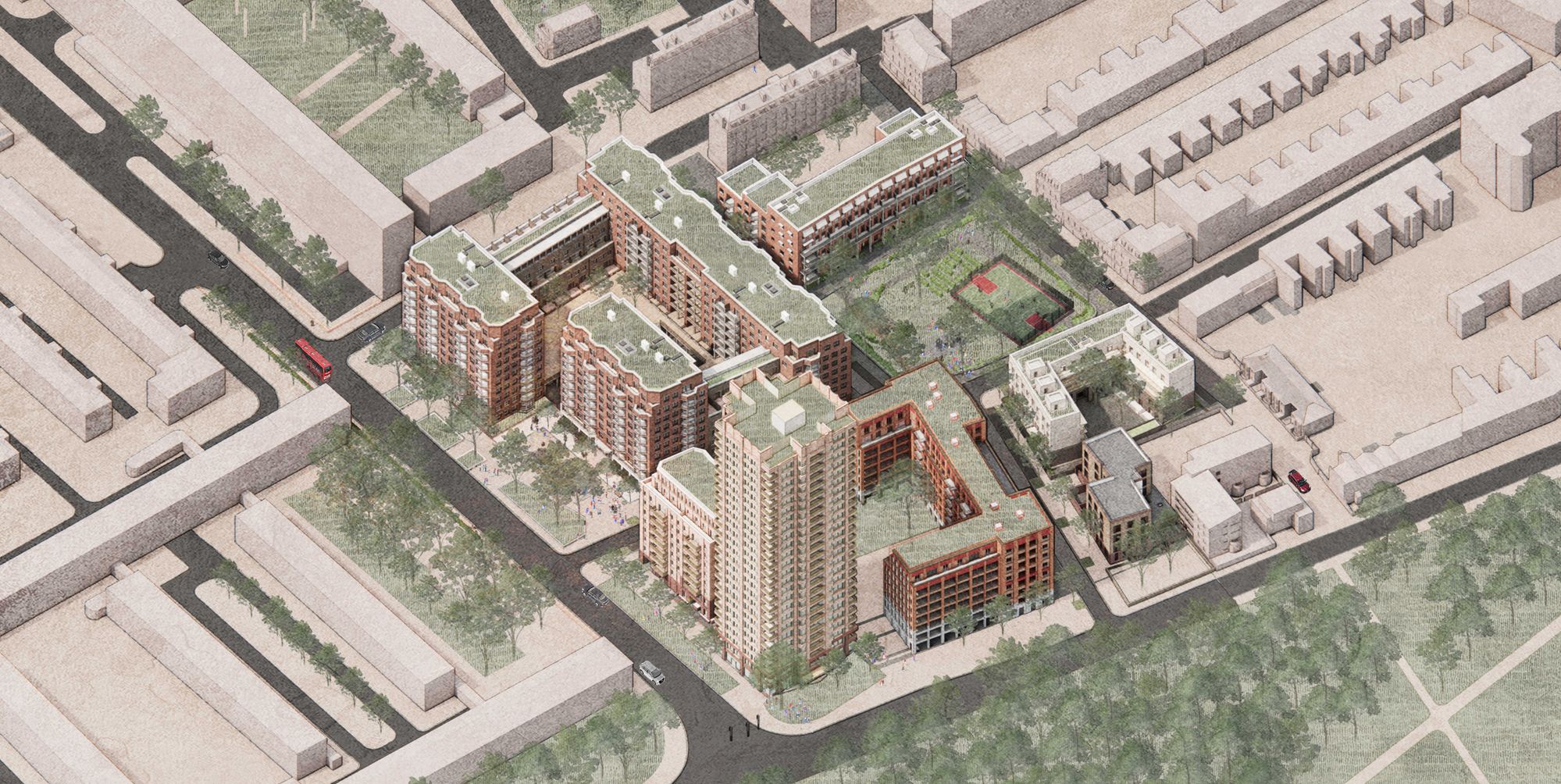
Masterplanning Through Collaboration
Phase 2B exemplifies a collaborative approach to city-making. Maccreanor Lavington has led the masterplanning, urban design and coordination of the wider team, working closely with Haworth Tompkins, Sergison Bates, East and Architecture Doing Place to create a neighbourhood that balances coherence and architectural diversity.
Each practice has designed an individual building within an agreed urban framework, establishing a rich architectural character while maintaining a consistent approach to streets, public spaces, landscape and residential quality. The result is a neighbourhood that reflects the varied identities of contemporary London whilst retaining a strong sense of place and belonging.
The project has evolved over many years through ongoing dialogue with residents, stakeholders, local authorities and consultants. This collaborative process has enabled the masterplan to respond to changing policy requirements, updated building safety regulations and community aspirations, while preserving the ambitions of the wider estate regeneration programme.
Reconnecting Streets, Parks and Communities
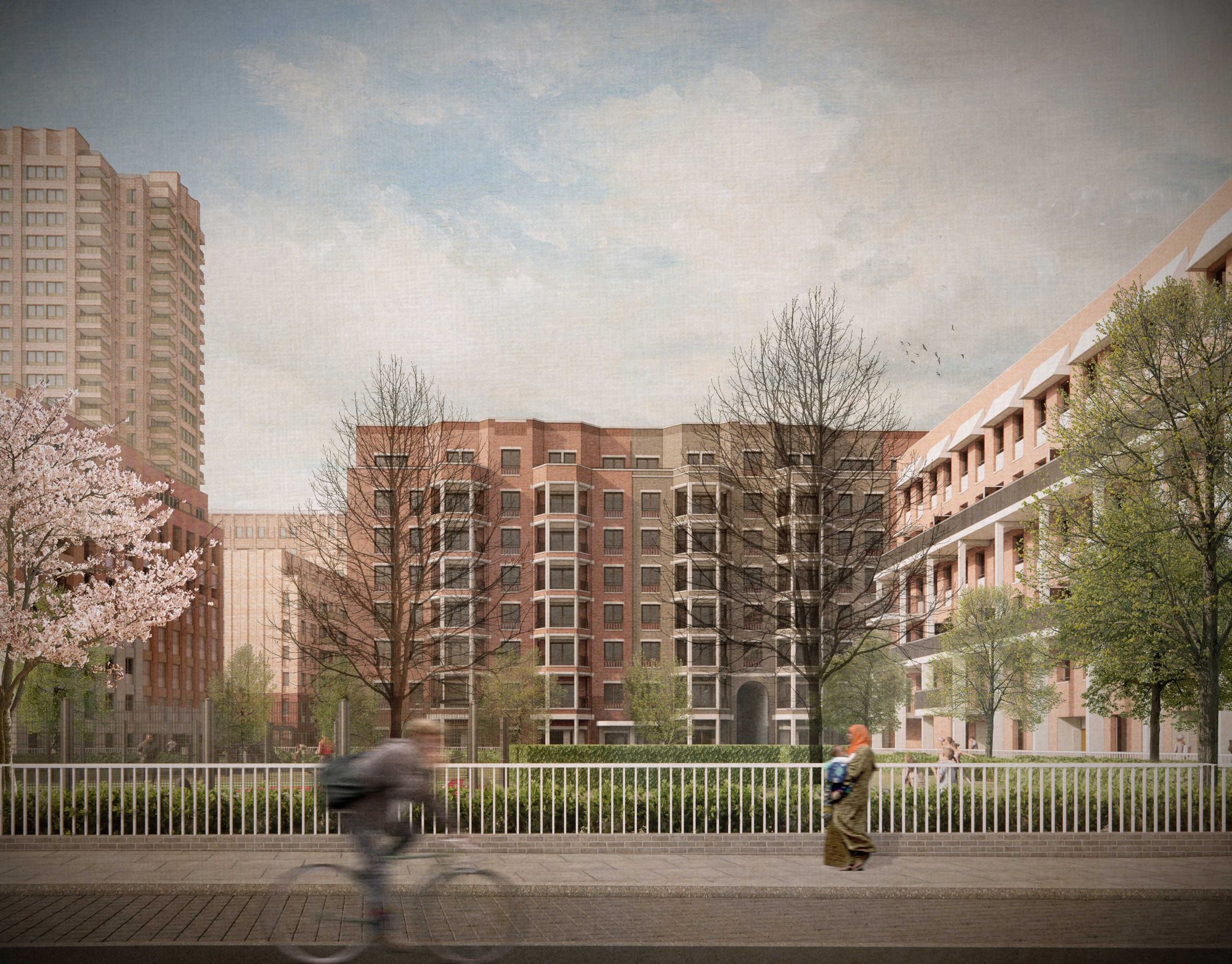
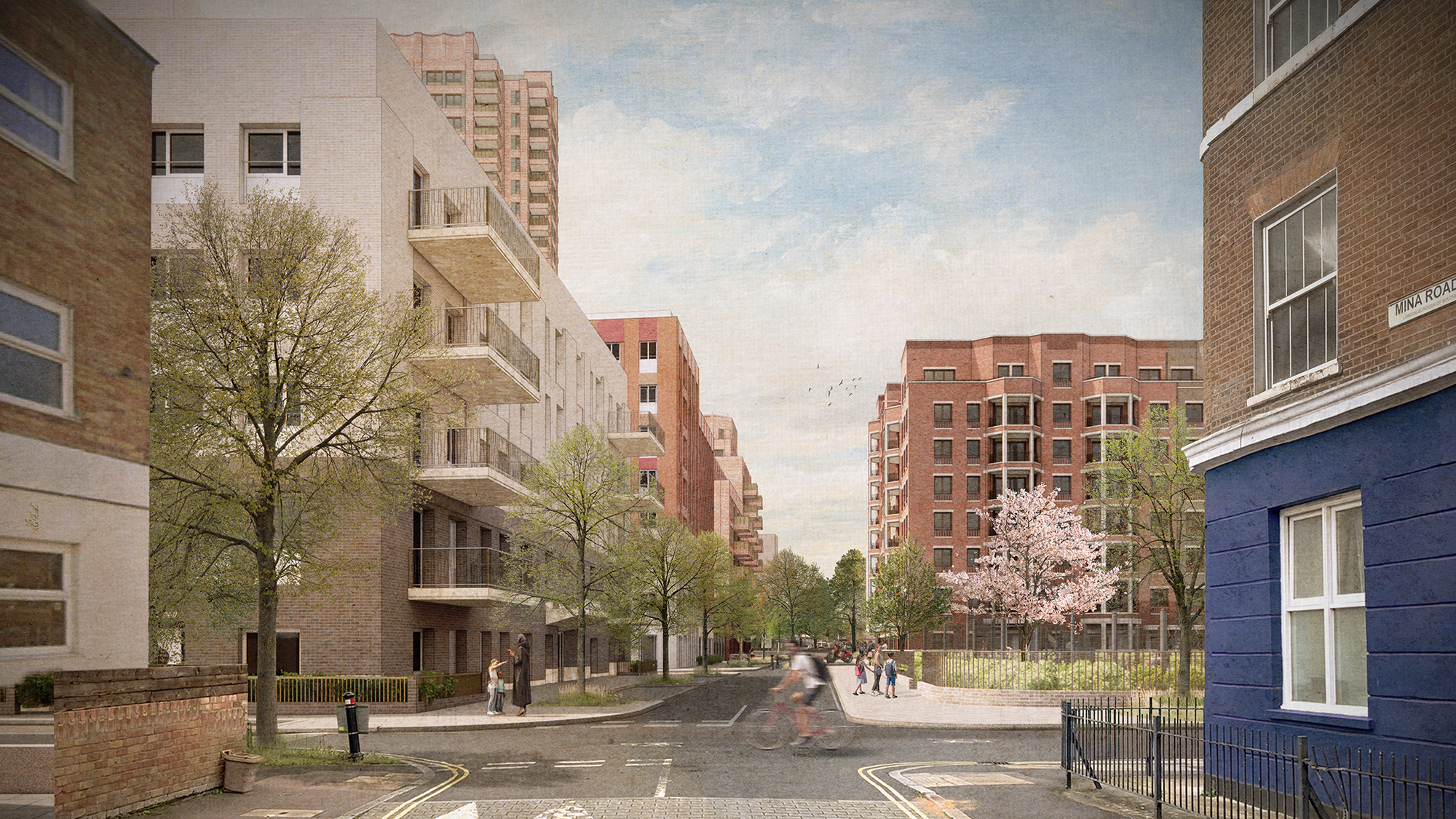
The masterplan replaces the estate's inward-facing modernist layout with a legible network of streets, squares and green spaces that reconnect the site to its surrounding neighbourhoods. New routes strengthen links between Burgess Park, Surrey Square and local amenities, making walking and cycling easier while improving accessibility across the estate.
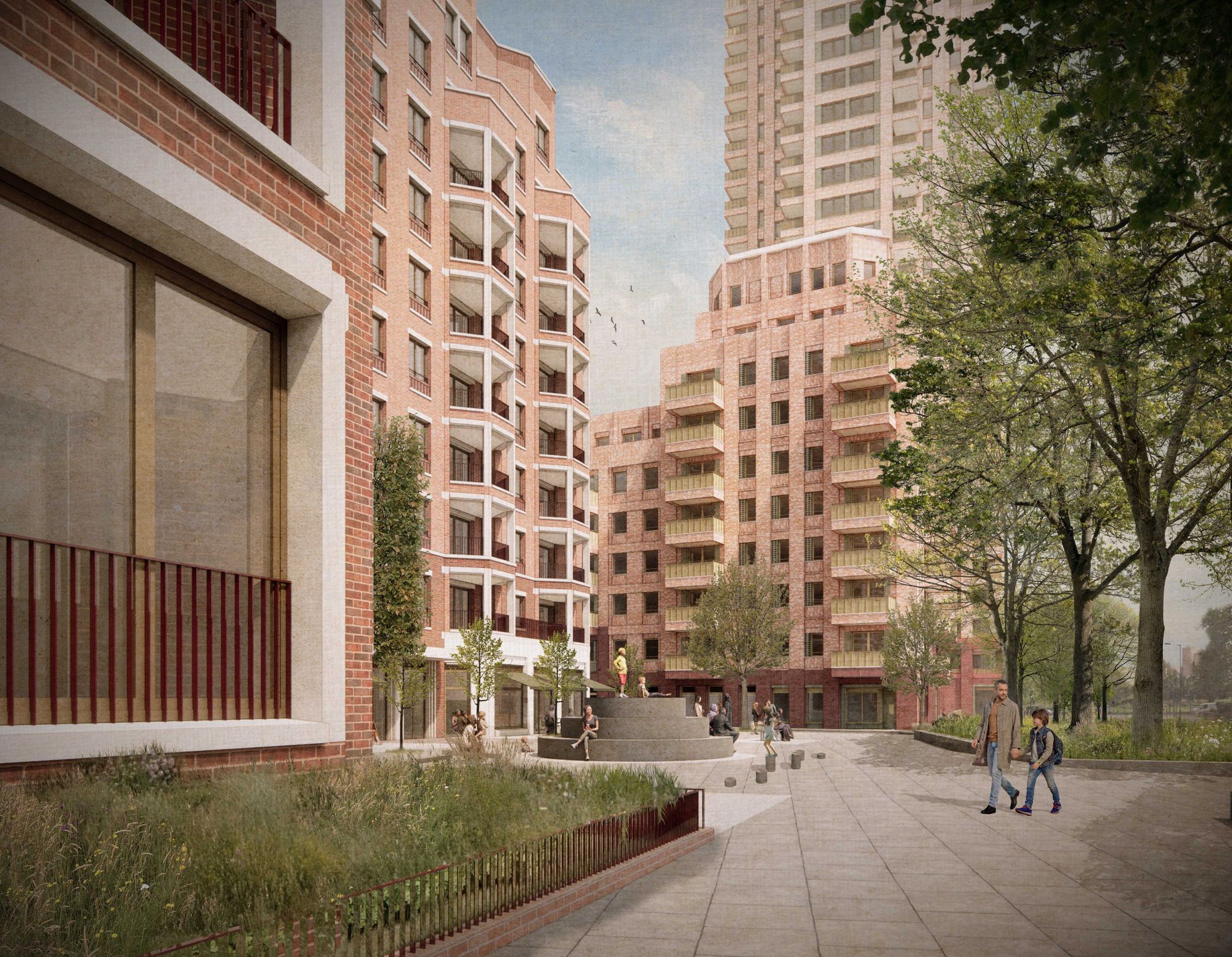
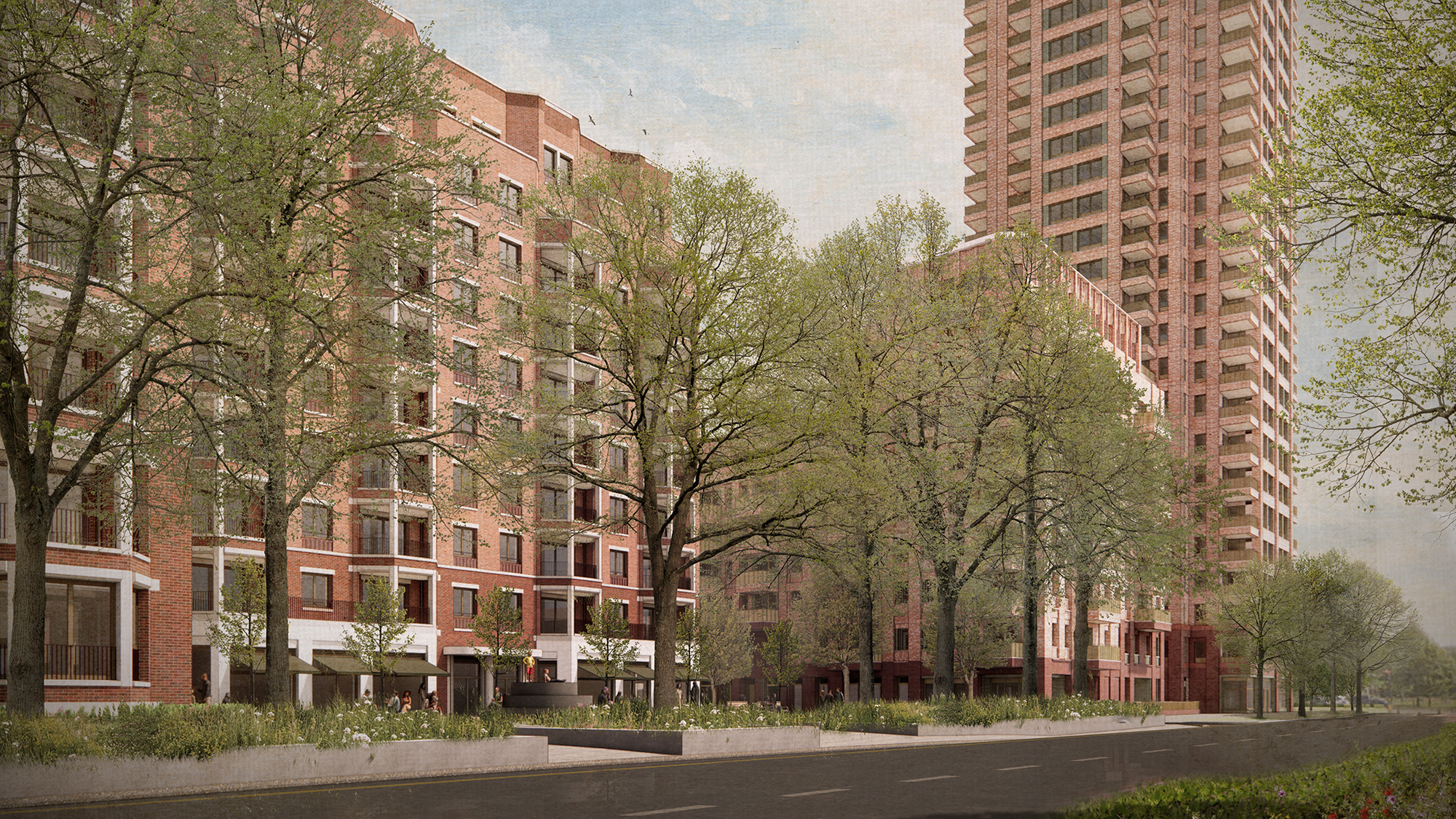
At the heart of the development, Bagshot Park provides a generous new neighbourhood green space for both existing and future residents. Together with Thurlow Square, a network of communal gardens and over 4,000m² of new public realm, these spaces create opportunities for recreation, play, social interaction and community life. Landscape enhancements include the retention of mature trees, increased biodiversity and a greener public realm that supports the environmental ambitions of the wider estate regeneration programme.
Architecture Rooted in Place
The architectural approach draws inspiration from London's historic mansion block tradition, expressed through carefully composed brick architecture, strong proportions and finely articulated façades. While each building has been developed by a different architectural practice, a shared material language creates a coherent and recognisable neighbourhood identity.
Building heights have been strategically arranged to respond to their context. Taller elements define key routes along Thurlow Street and important junctions, while lower-scale buildings provide a sensitive transition to neighbouring streets, schools and existing residential areas. This considered approach balances density with daylight, outlook and a comfortable human scale.
Ground-floor maisonettes and active frontages enliven the streets, creating a welcoming and lived-in character while supporting safety and a strong sense of ownership among residents. More than 400m² of flexible non-residential space further contributes to neighbourhood activity and supports local services and businesses.